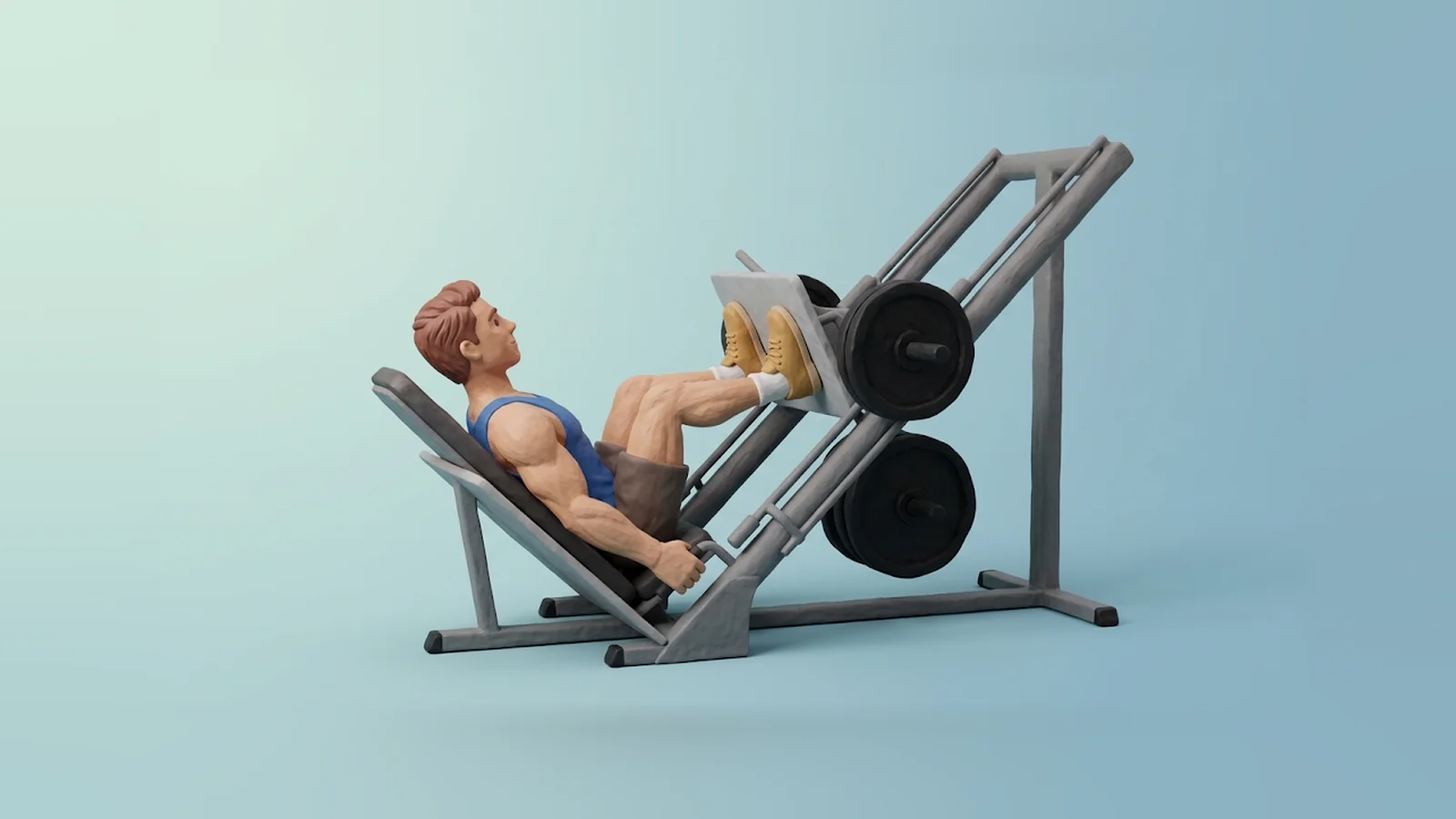
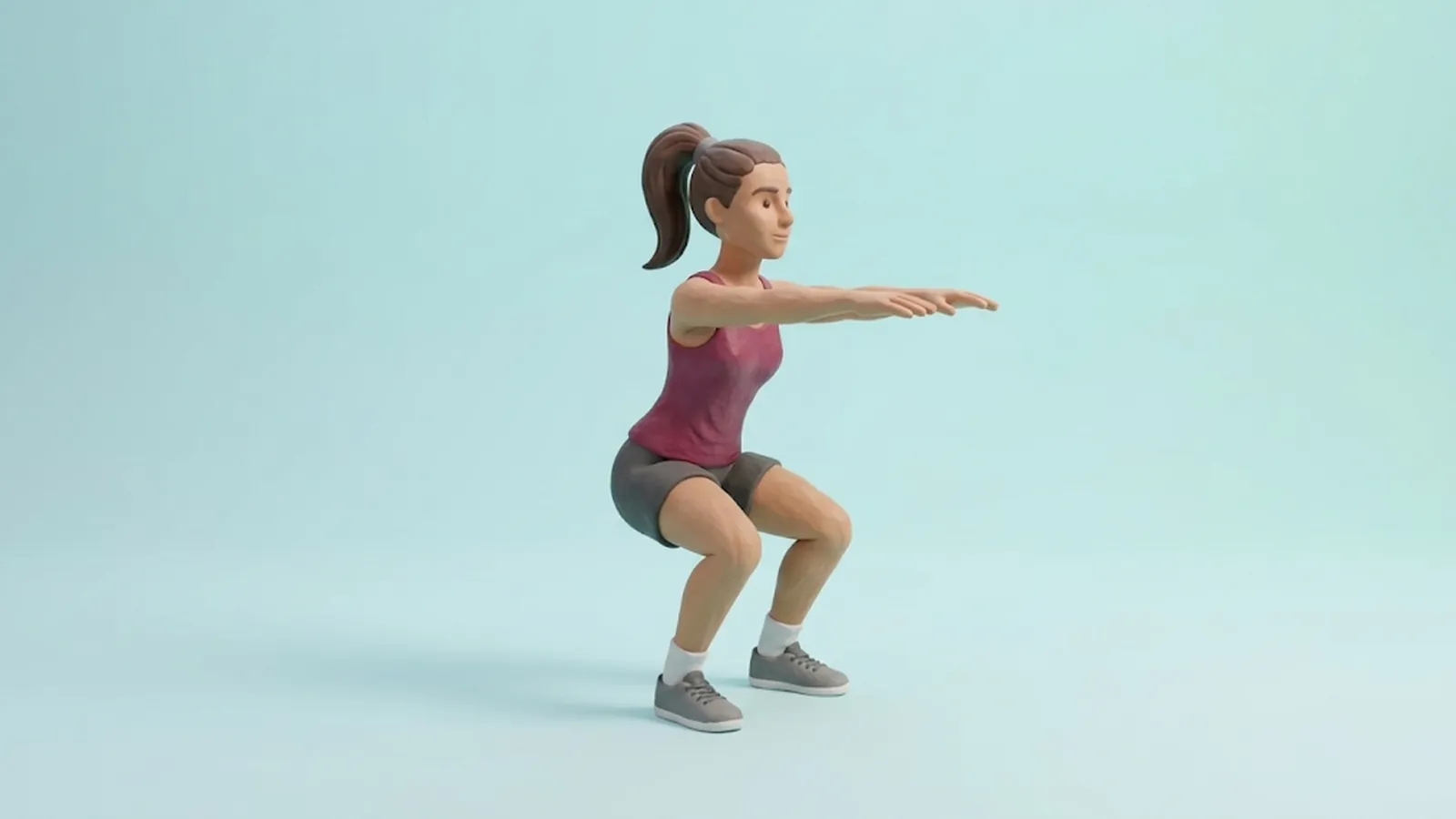
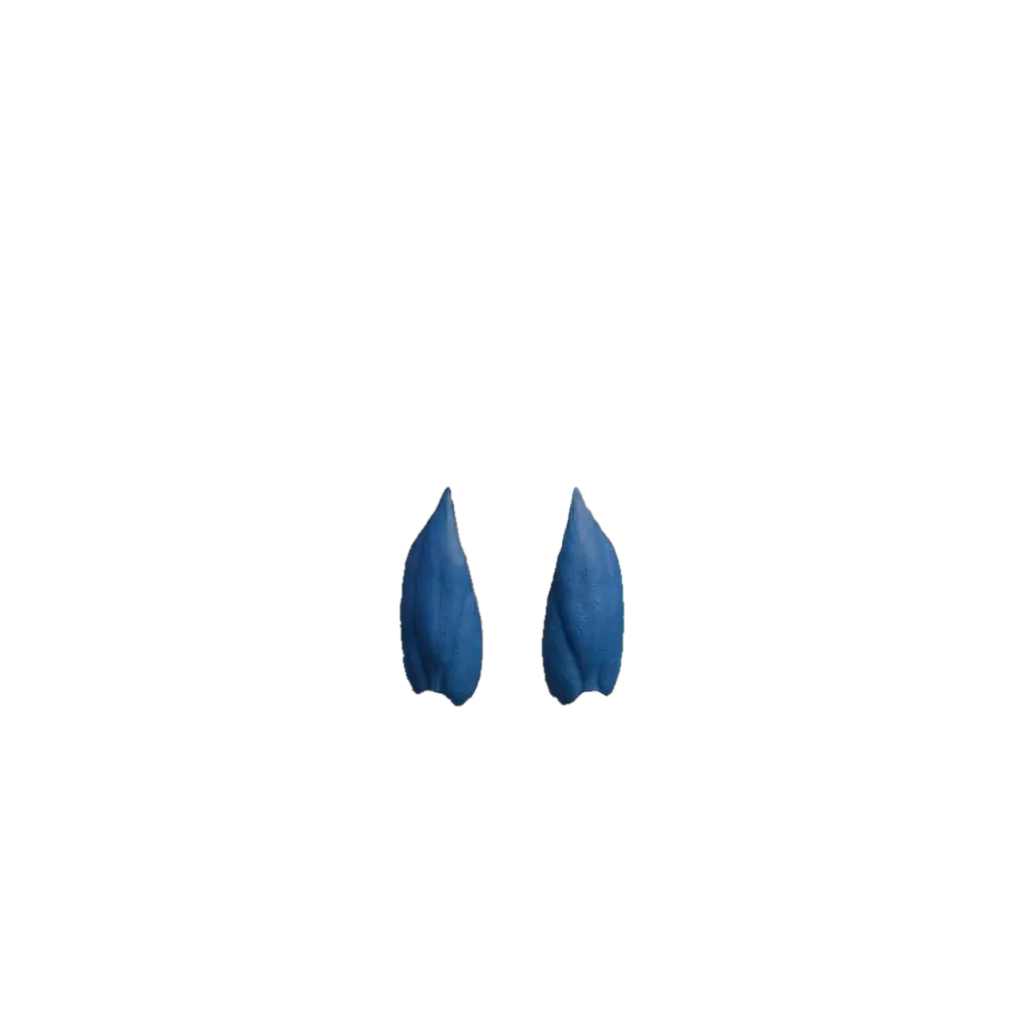
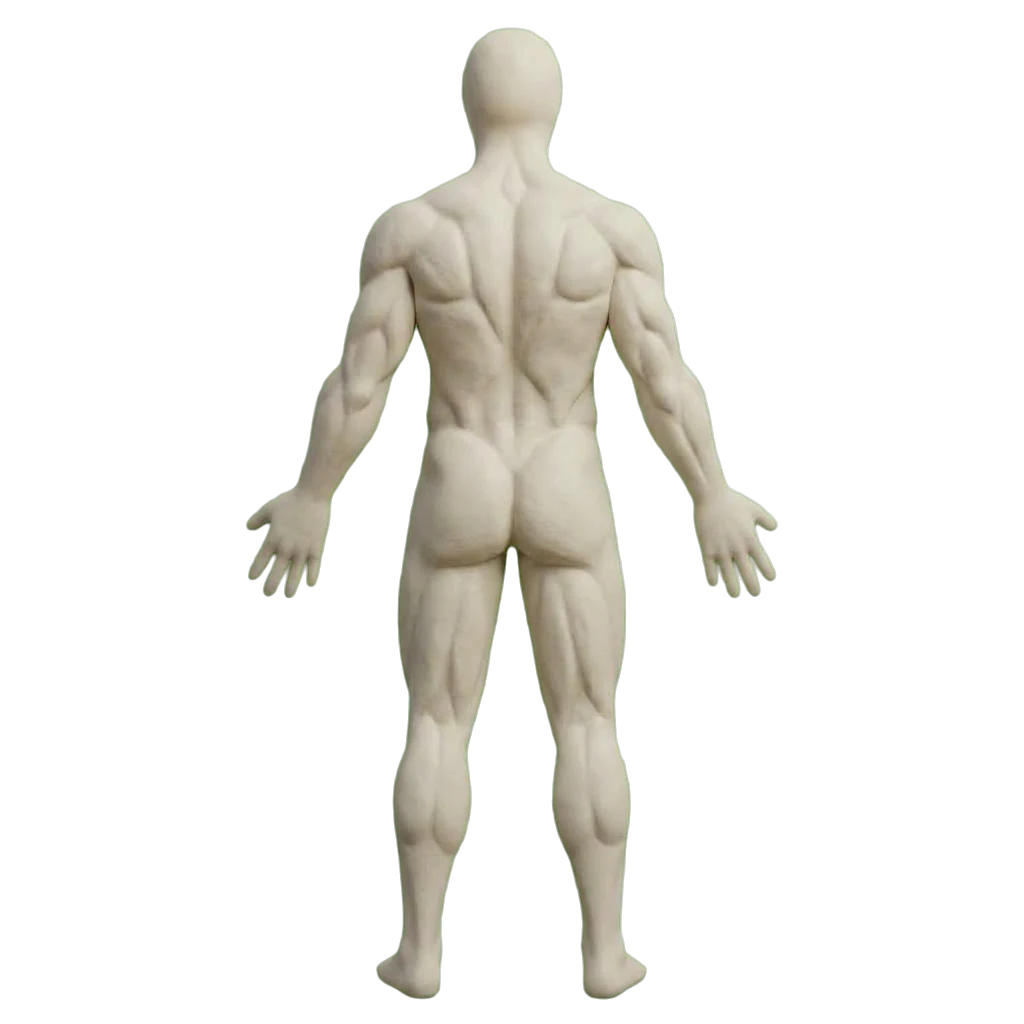
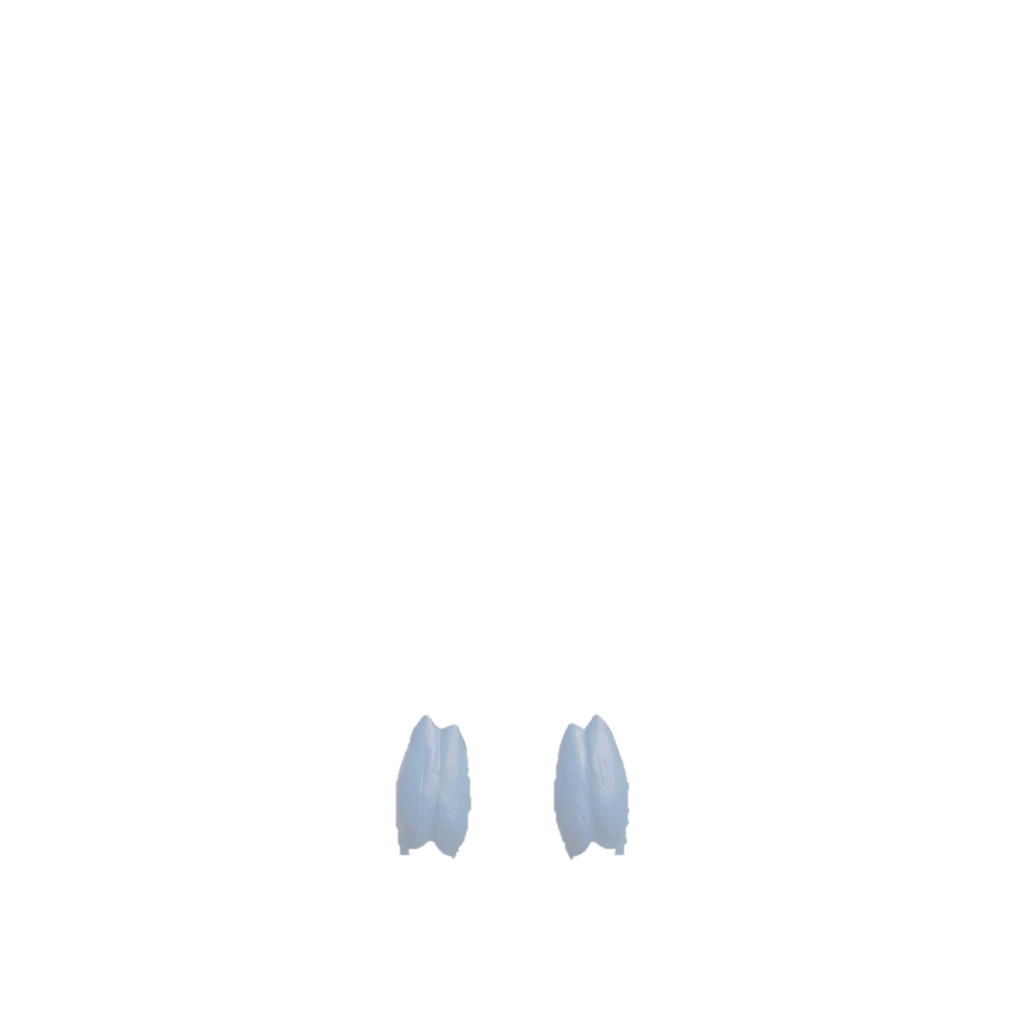
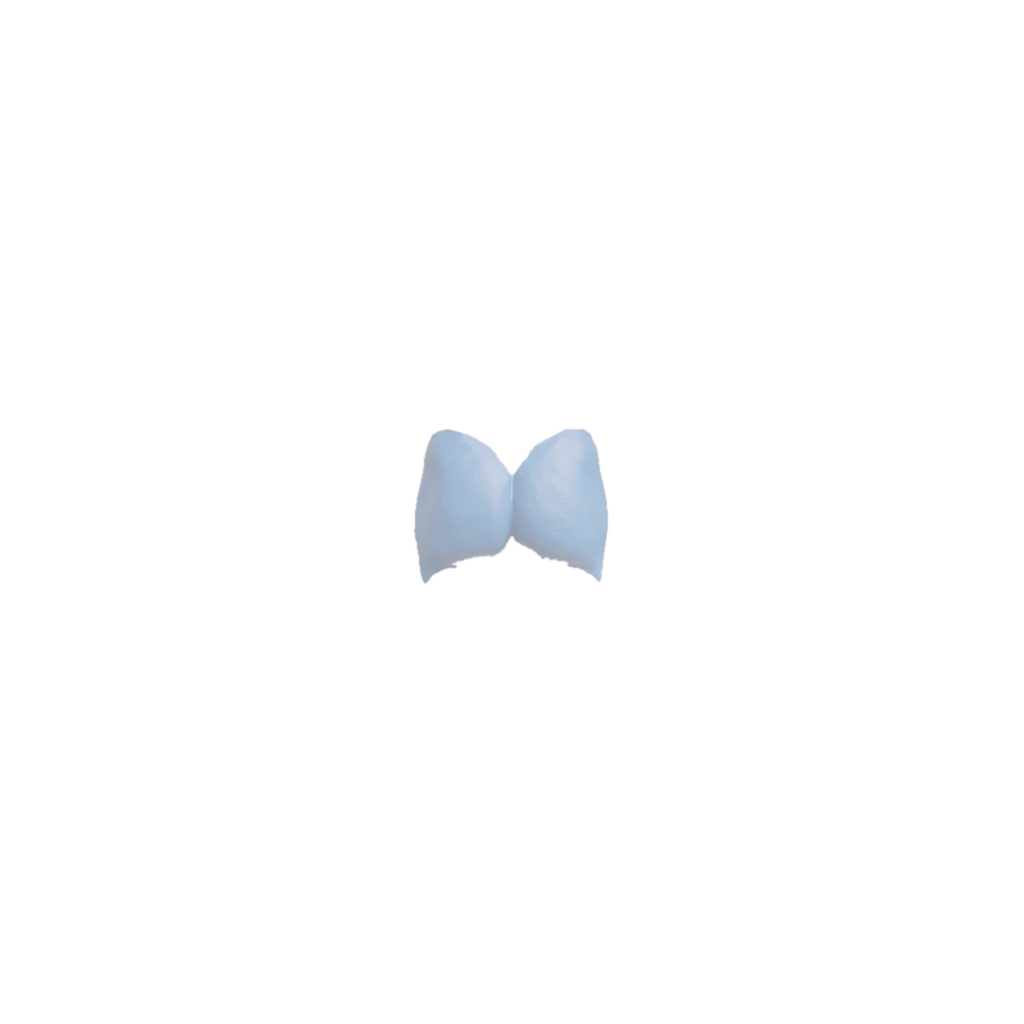
Front Barbell Squat
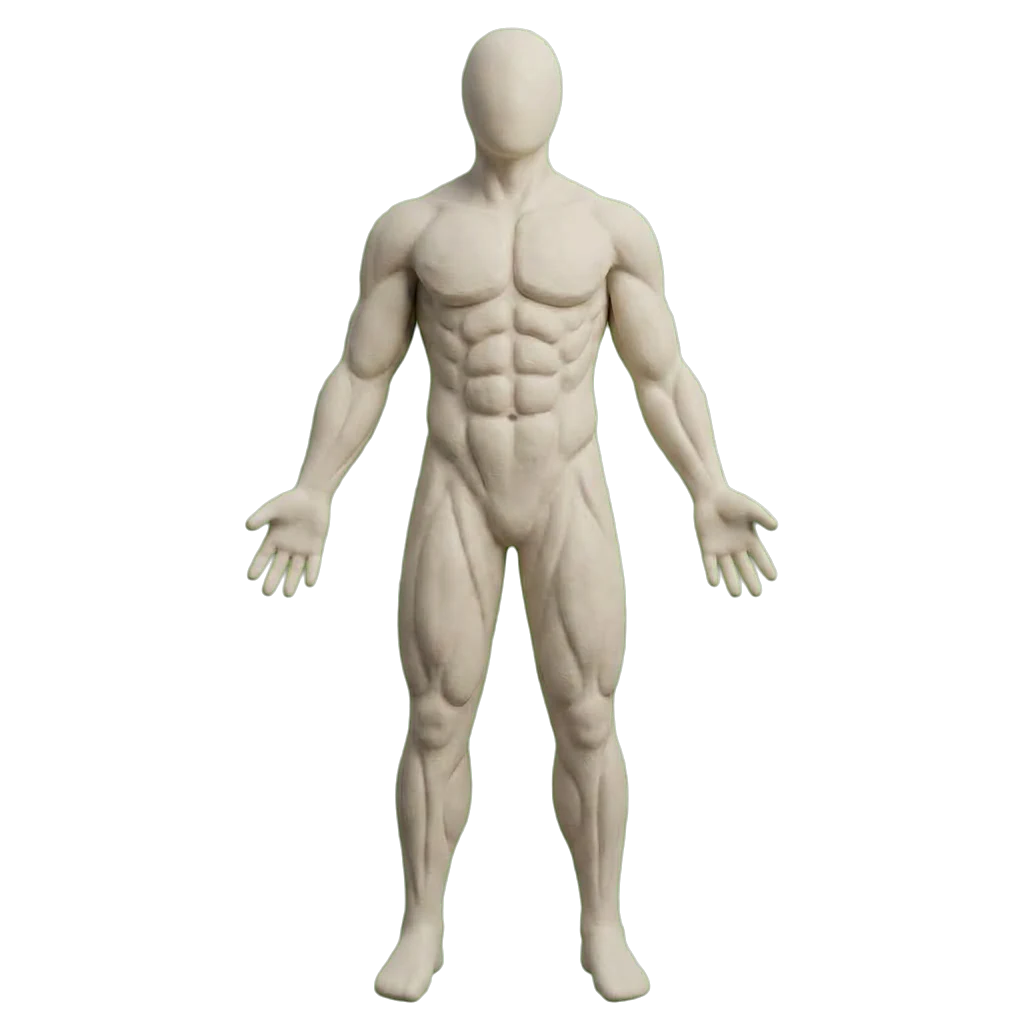
- Quads
- Calves
- Glutes
- Hamstrings
EquipmentBarbell
New to this
Your first front barbell squat
Three things to know before your first set of the front barbell squat.
What weight should I start with on the front barbell squat?
Start with the empty 45 lb bar for 3 sets of 5. The front rack position feels strange to everyone at first, and the bar alone is plenty while your wrists and upper back adjust.
The bar rests on the front of your shoulders against your throat, with your fingertips under it and your elbows pointing forward. Your shoulders hold the bar, and your hands only keep it steady.
Add 10 lb a session while the reps stay upright. Once it feels natural, most people front squat around 80 to 85% of their back squat.
What usually goes wrong on the front barbell squat?
Your elbows drop and the bar rolls forward. Drive your elbows up toward the ceiling, especially as you stand out of the bottom.
Holding the bar strains your wrists. Use two or three fingers under the bar instead of your whole hand, or cross your arms over it.
You lean forward. A front squat keeps you upright, so if your chest keeps dropping, the weight is too heavy for now.
If the squat racks are taken
A goblet squat trains the same upright position with a dumbbell held at your chest. The hack squat machine loads your quads heavily with nothing to balance.
Updated
How to do it
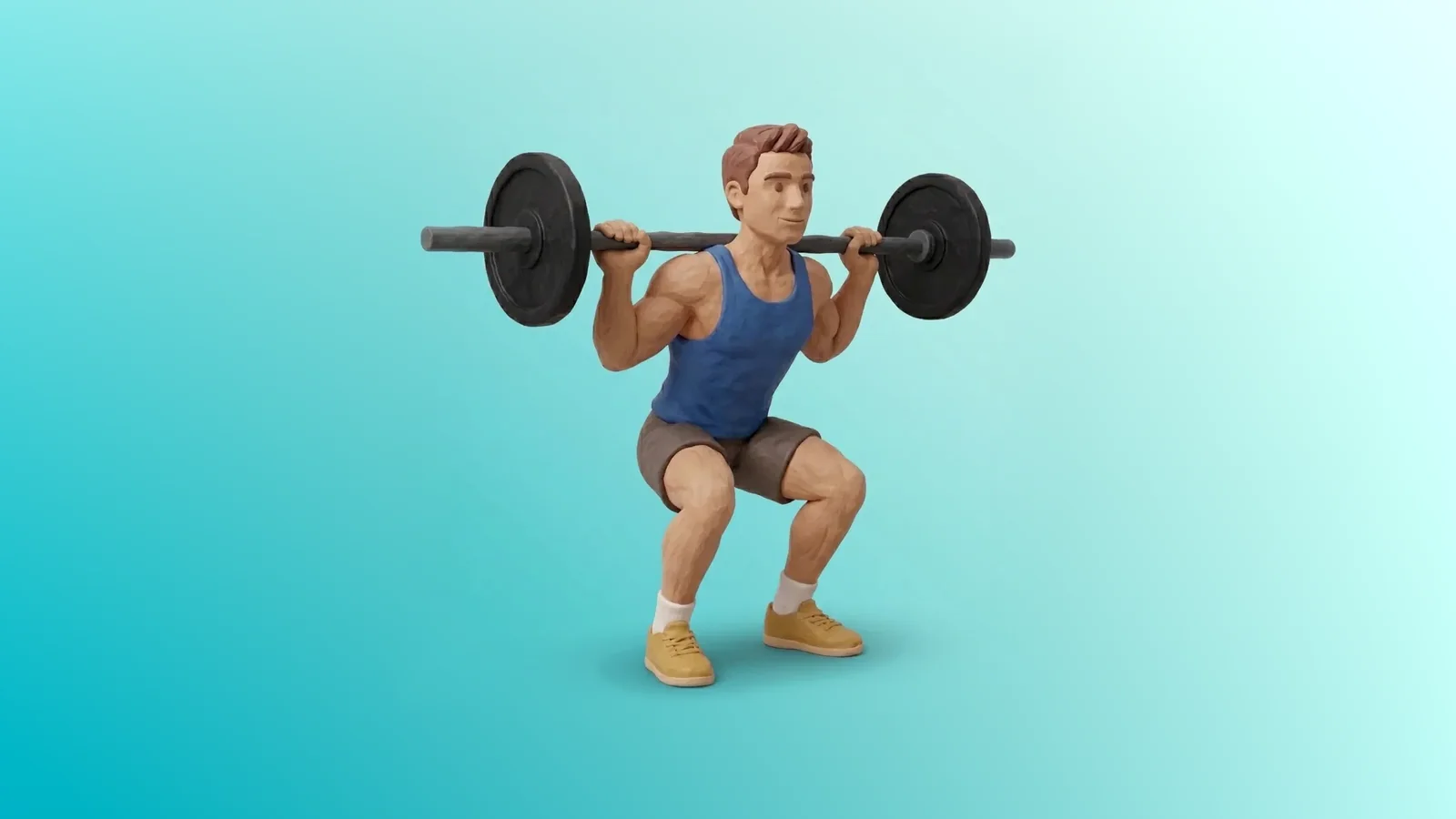
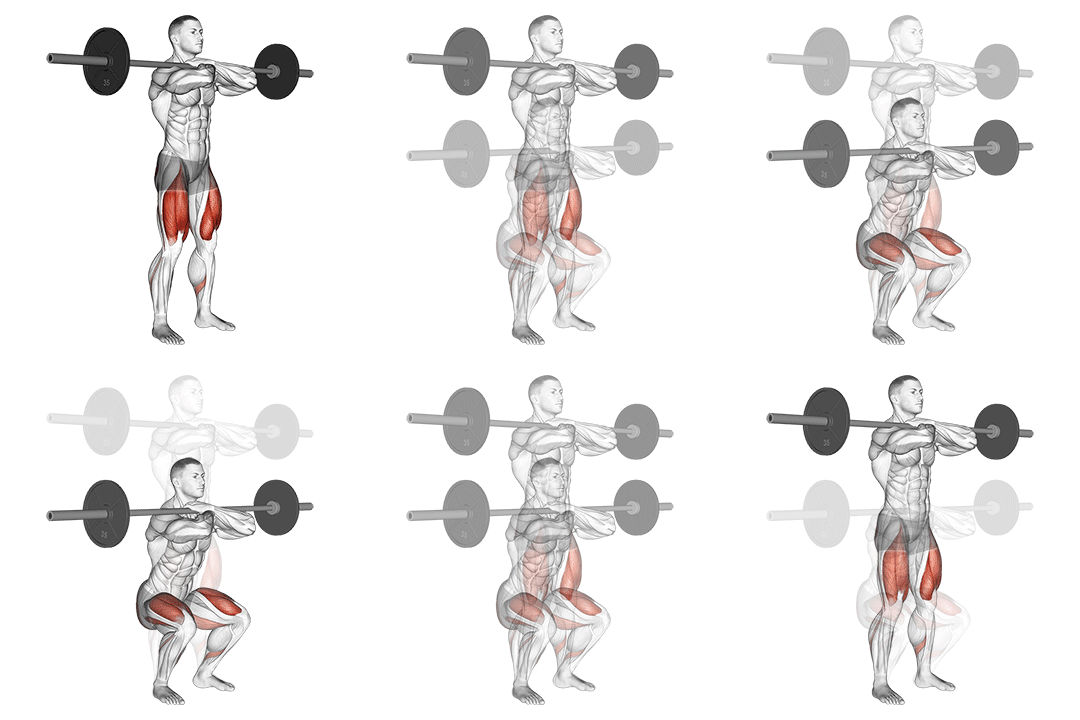
This exercise is best performed inside a squat rack for safety purposes. To begin, first set the bar on a rack that best matches your height. Once the correct height is chosen and the bar is loaded, bring your arms up under the bar while keeping the elbows high and the upper arm slightly above parallel to the floor. Rest the bar on top of the deltoids and cross your arms while grasping the bar for total control.
Lift the bar off the rack by first pushing with your legs and at the same time straightening your torso.
Step away from the rack and position your legs using a shoulder width medium stance with the toes slightly pointed out. Keep your head up at all times as looking down will get you off balance and also maintain a straight back. This will be your starting position. (Note: For the purposes of this discussion we will use the medium stance described above which targets overall development; however you can choose any of the three stances described in the foot positioning section).
Begin to slowly lower the bar by bending the knees as you maintain a straight posture with the head up. Continue down until the angle between the upper leg and the calves becomes slightly less than 90-degrees (which is the point in which the upper legs are below parallel to the floor). Inhale as you perform this portion of the movement.
Tip: If you performed the exercise correctly, the front of the knees should make an imaginary straight line with the toes that is perpendicular to the front. If your knees are past that imaginary line (if they are past your toes) then you are placing undue stress on the knee and the exercise has been performed incorrectly.
Begin to raise the bar as you exhale by pushing the floor mainly with the middle of your foot as you straighten the legs again and go back to the starting position.
Repeat for the recommended amount of repetitions.