
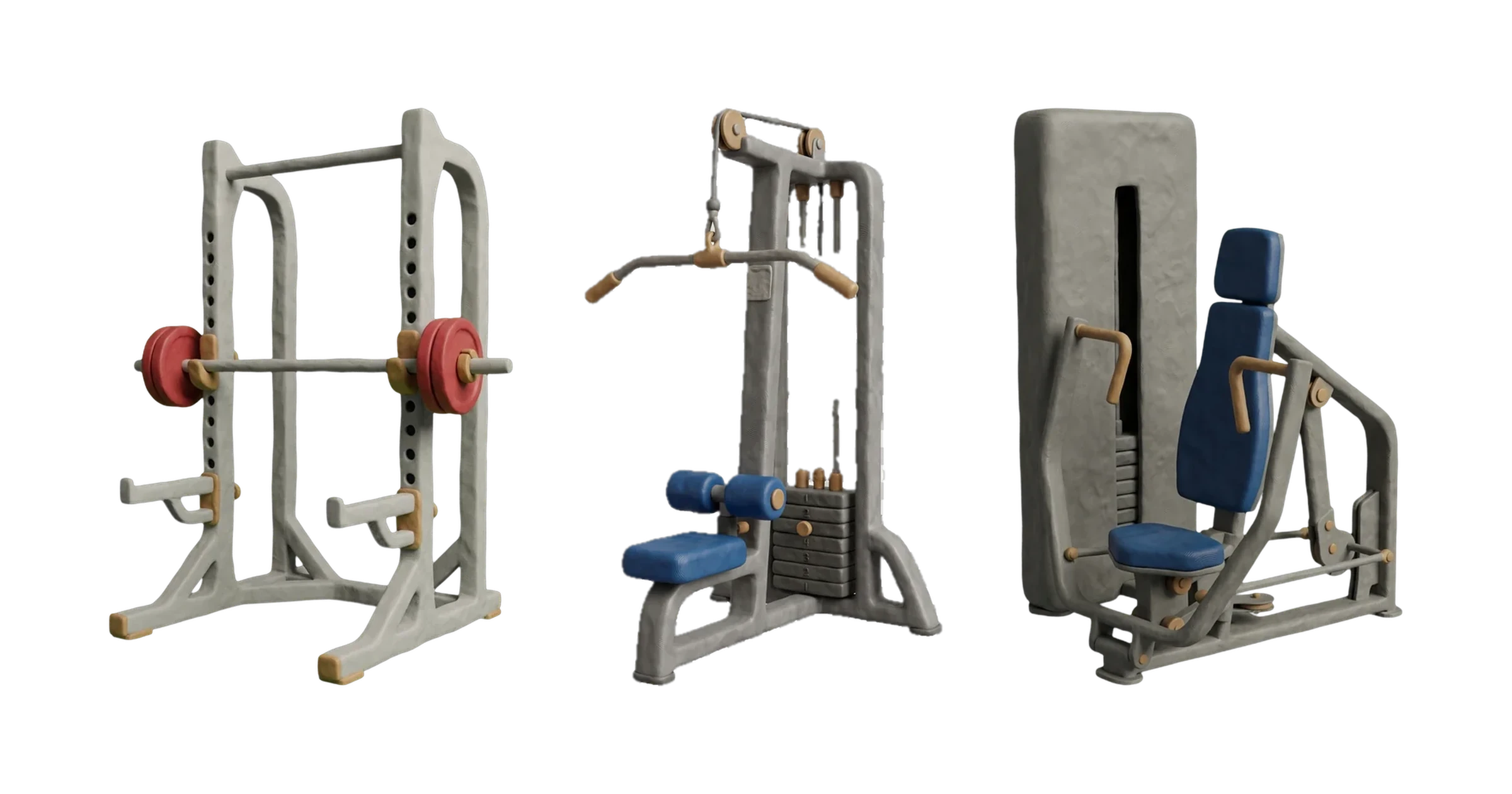
Start hereProgramming
A beginner full-body workout, three days a week
Two workouts, alternated. Five exercises each, under an hour, and a plan for adding weight.
6 min readRead the guide
These are written for someone in their first few months of lifting, by someone who has been the person standing in a gym unsure which machine to use. Each one answers a question directly at the top, then explains the reasoning underneath.
Each one tells you what to do on Monday and how to know it worked. Where a guide mentions an exercise, it links to a page with photos of the movement and a starting weight.
Start hereProgramming
Two workouts, alternated. Five exercises each, under an hour, and a plan for adding weight.
The questions everyone has in month one and nobody wants to ask out loud.
Getting started
Three gym sessions a week on machines, with the exact exercises, sets and reps for your first month and what to do after.
7 min read
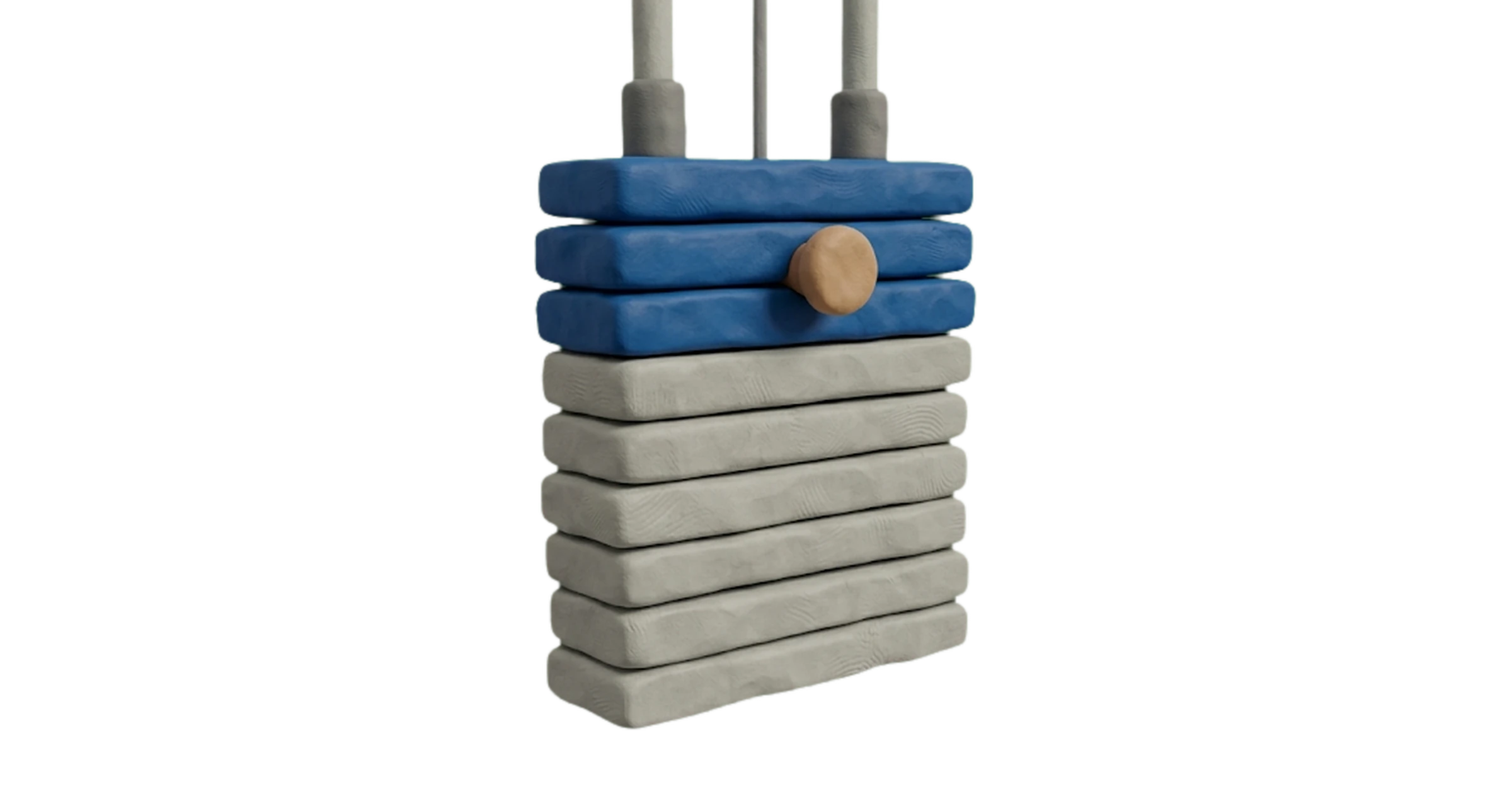
Getting started
The short version, then the details, for every kind of equipment in the gym.
5 min read
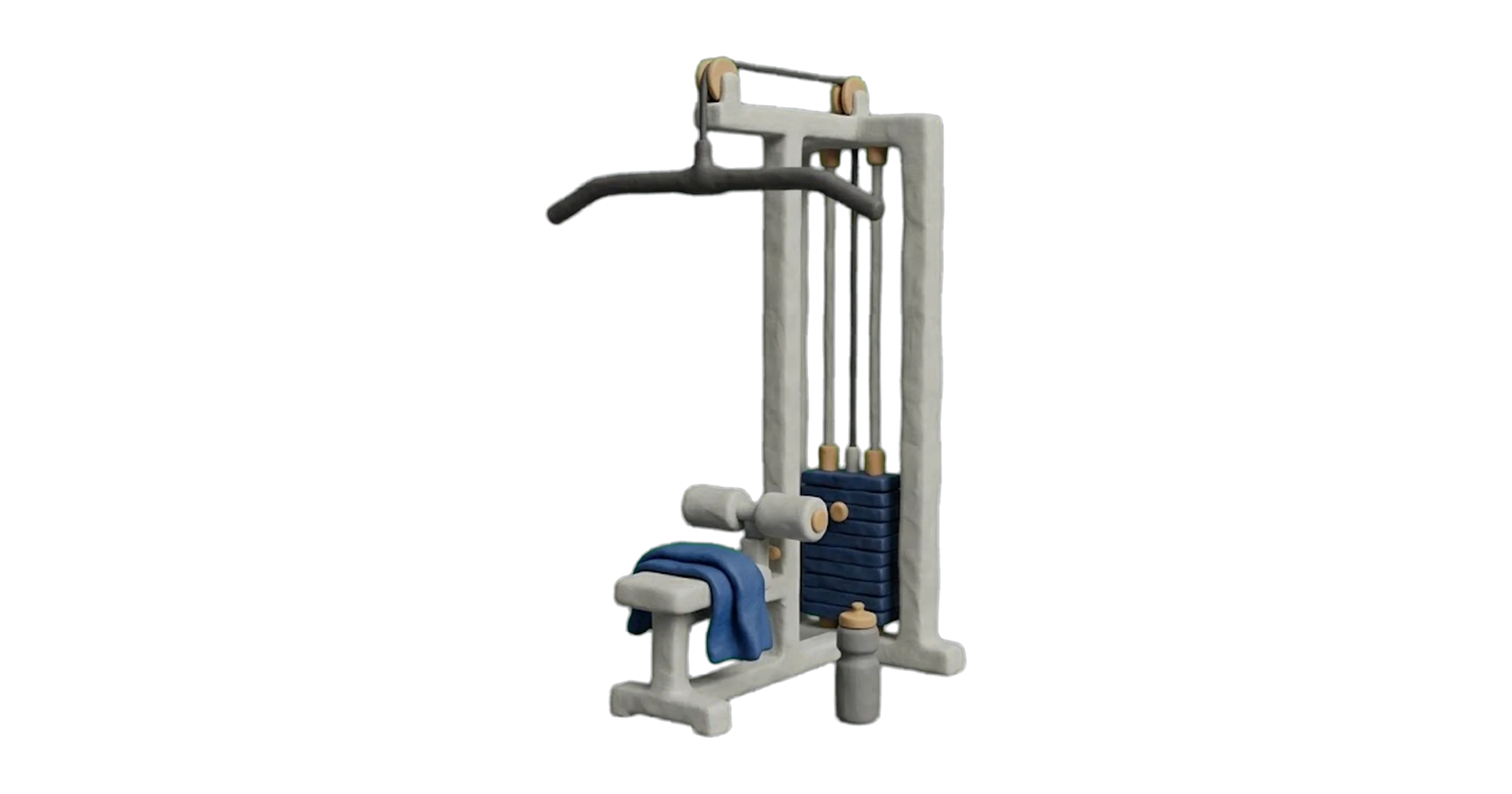
Getting started
Swap by movement pattern, not by muscle name. Here is the swap for every lift you are likely to be waiting for.
5 min read
Getting started
Most of what you are worried about, nobody notices. There are about six things people genuinely care about, and they take a minute to learn.
6 min read
Getting started
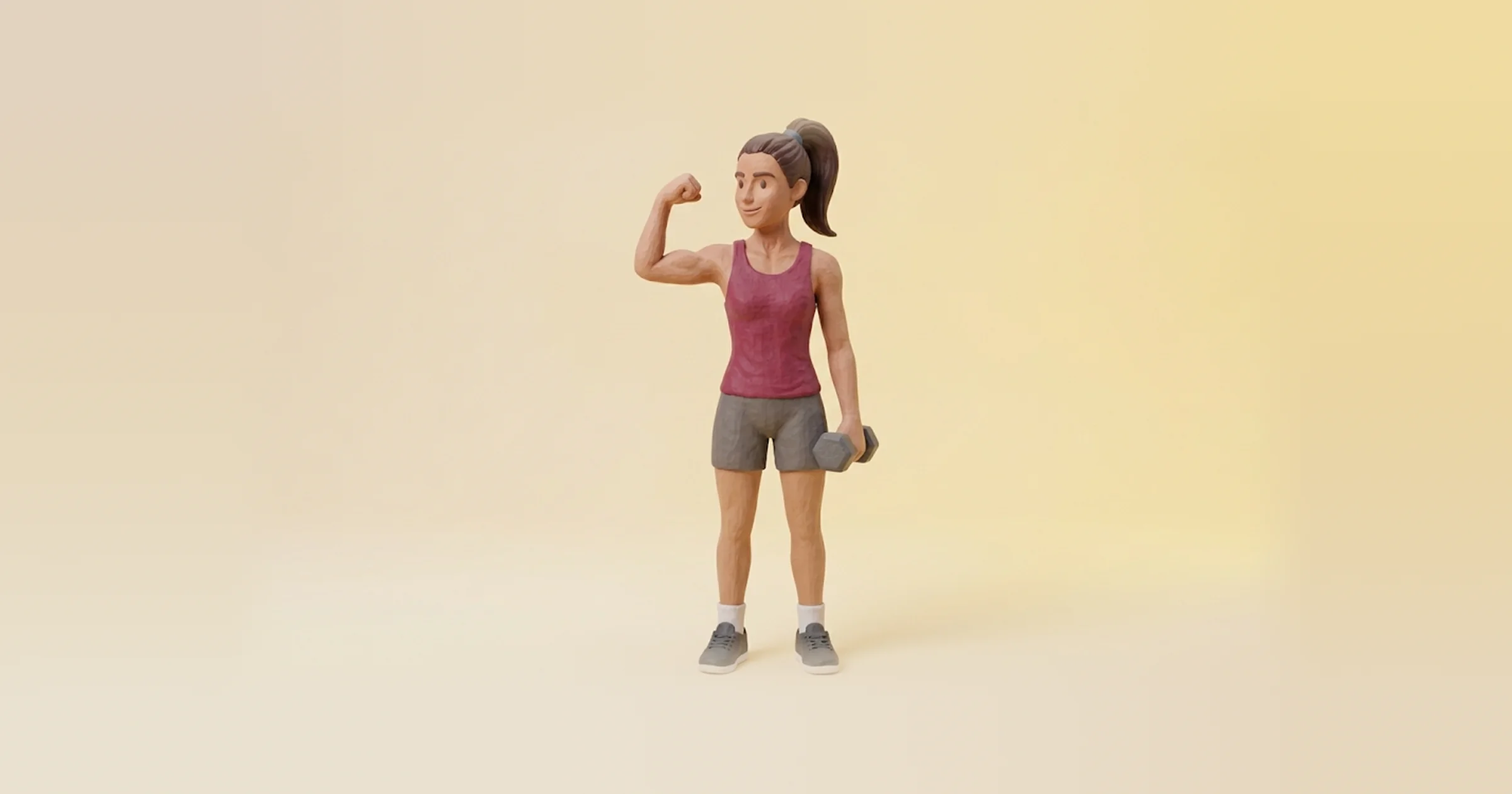
Almost certainly not. Muscle comes on slowly, about a pound a month at best for a beginner, and you decide when to stop.
5 min read
Getting started
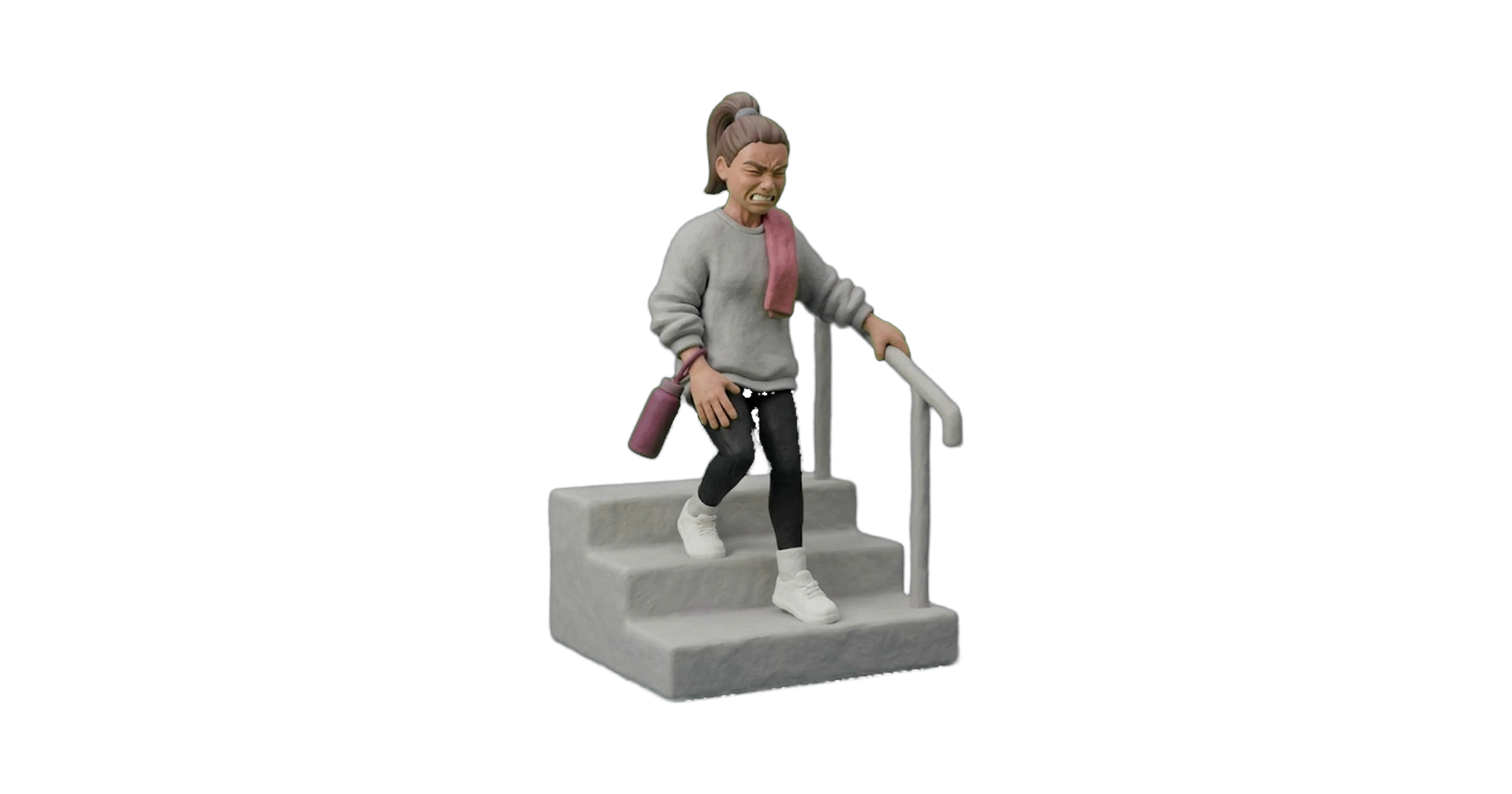
It's called DOMS. It peaks a day or two after a workout, and it's worst in your first couple of weeks.
5 min read
Getting started
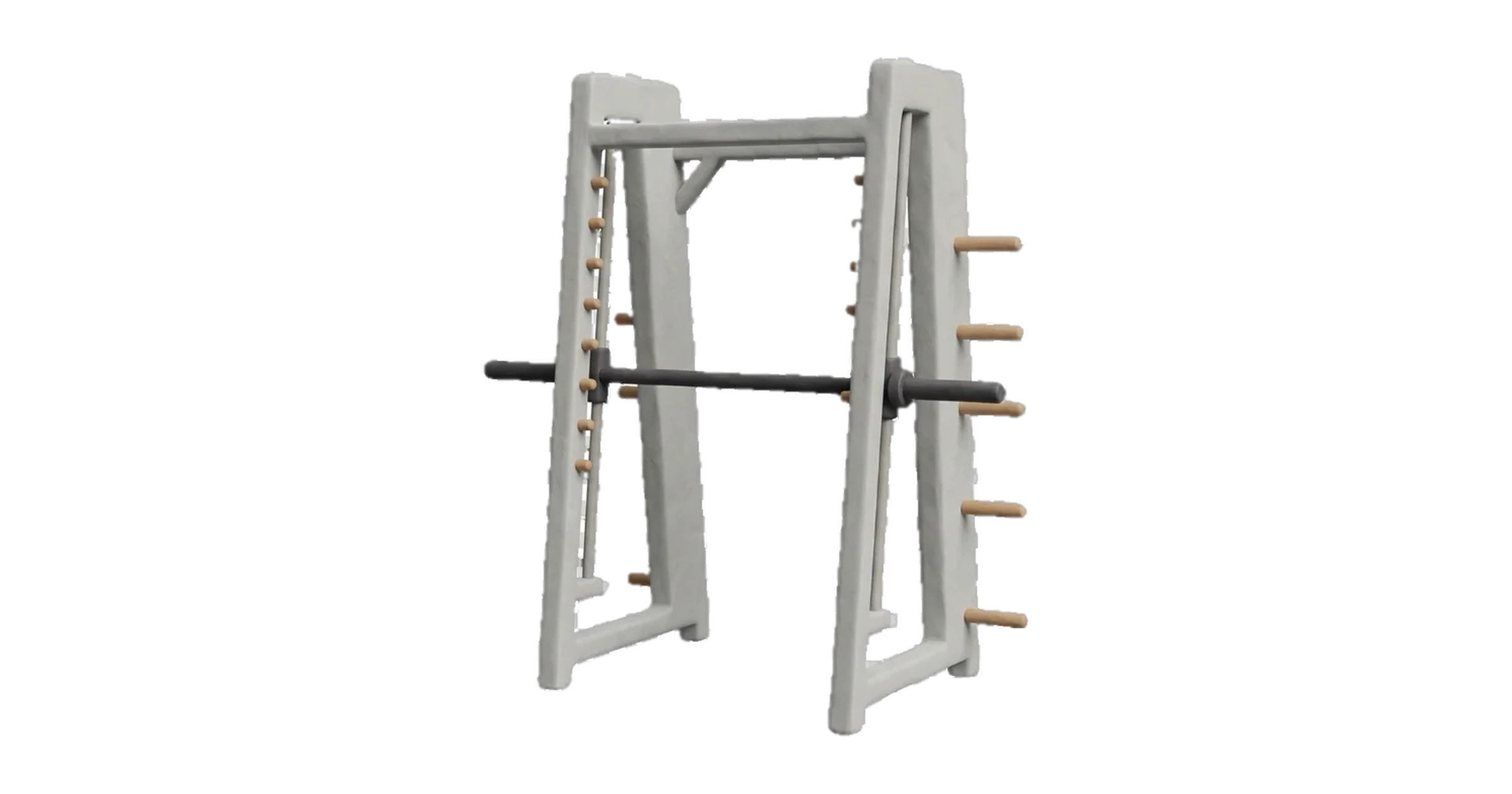
Usually somewhere between 15 and 25 lb, not the 45 lb of a free barbell. It varies by machine, so find your gym's number once and keep using it.
5 min read
Getting started
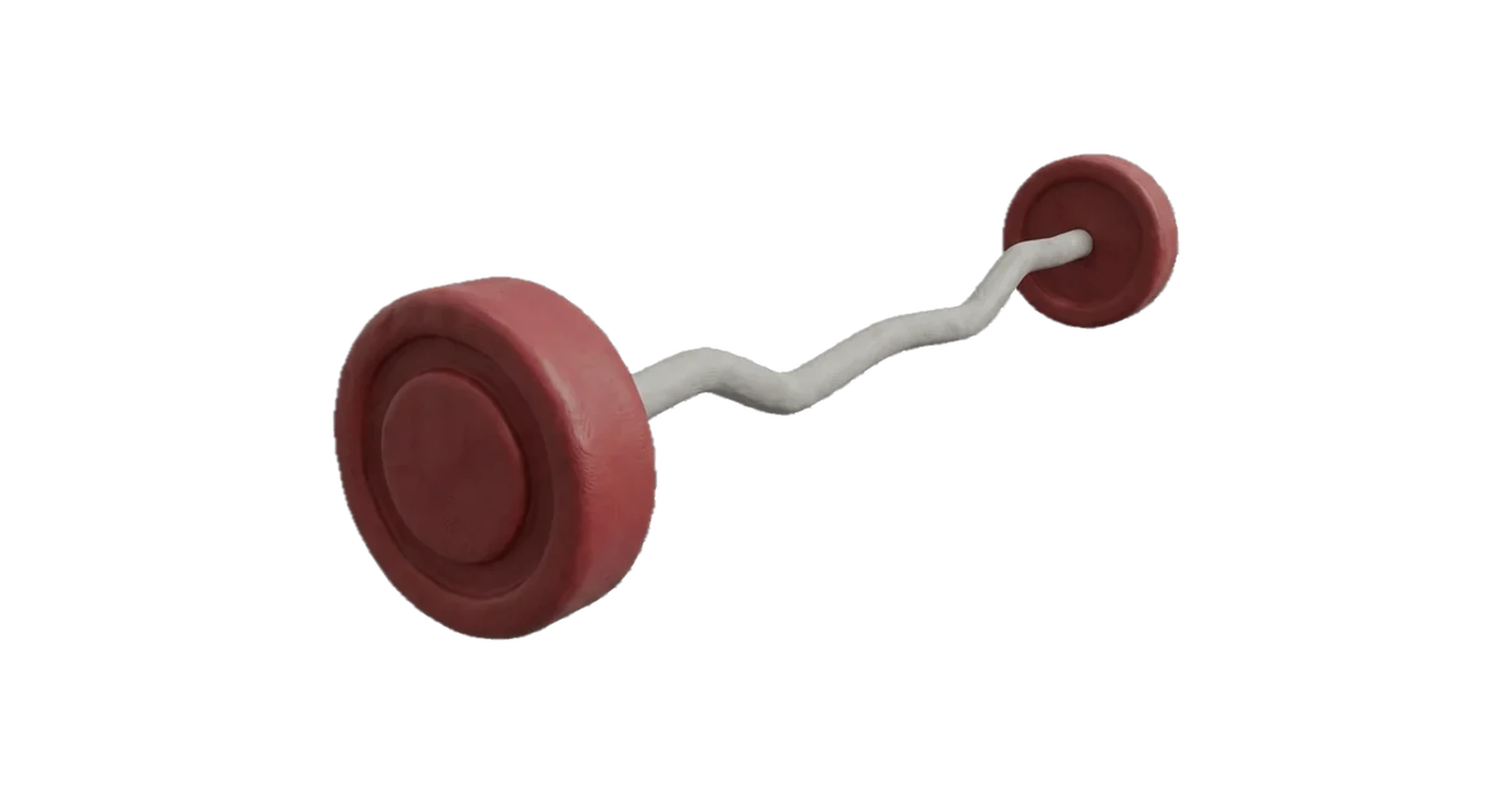
The short bar with the zigzag in the middle. The bends let your wrists turn slightly inward, which takes the strain off them during curls and triceps work.
5 min read
What to do each day, and how to add weight without guessing.
Programming
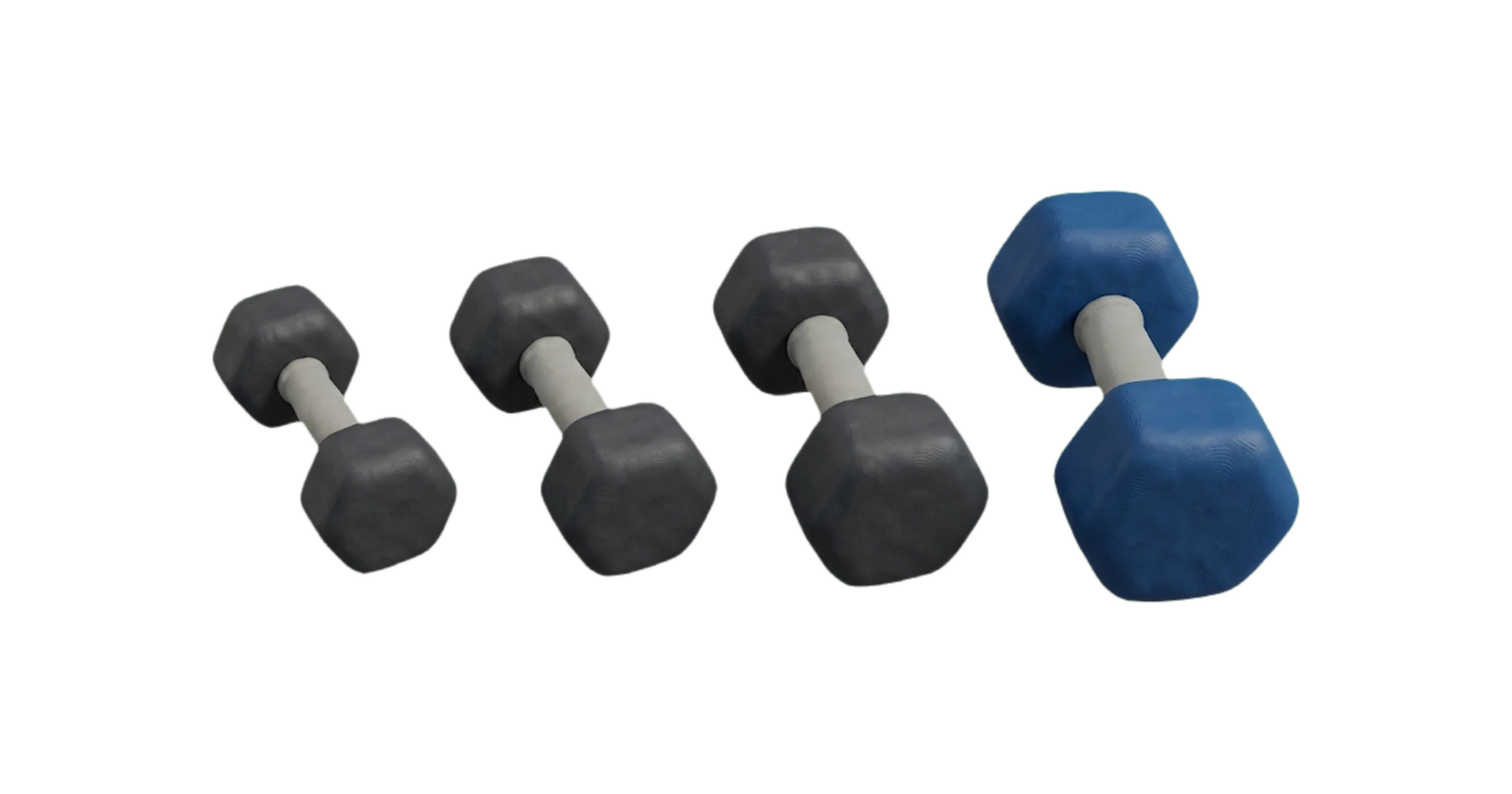
What progressive overload is, why it works, and the reps-then-weight method for barbells, machines, dumbbells and bodyweight.
9 min read
Programming
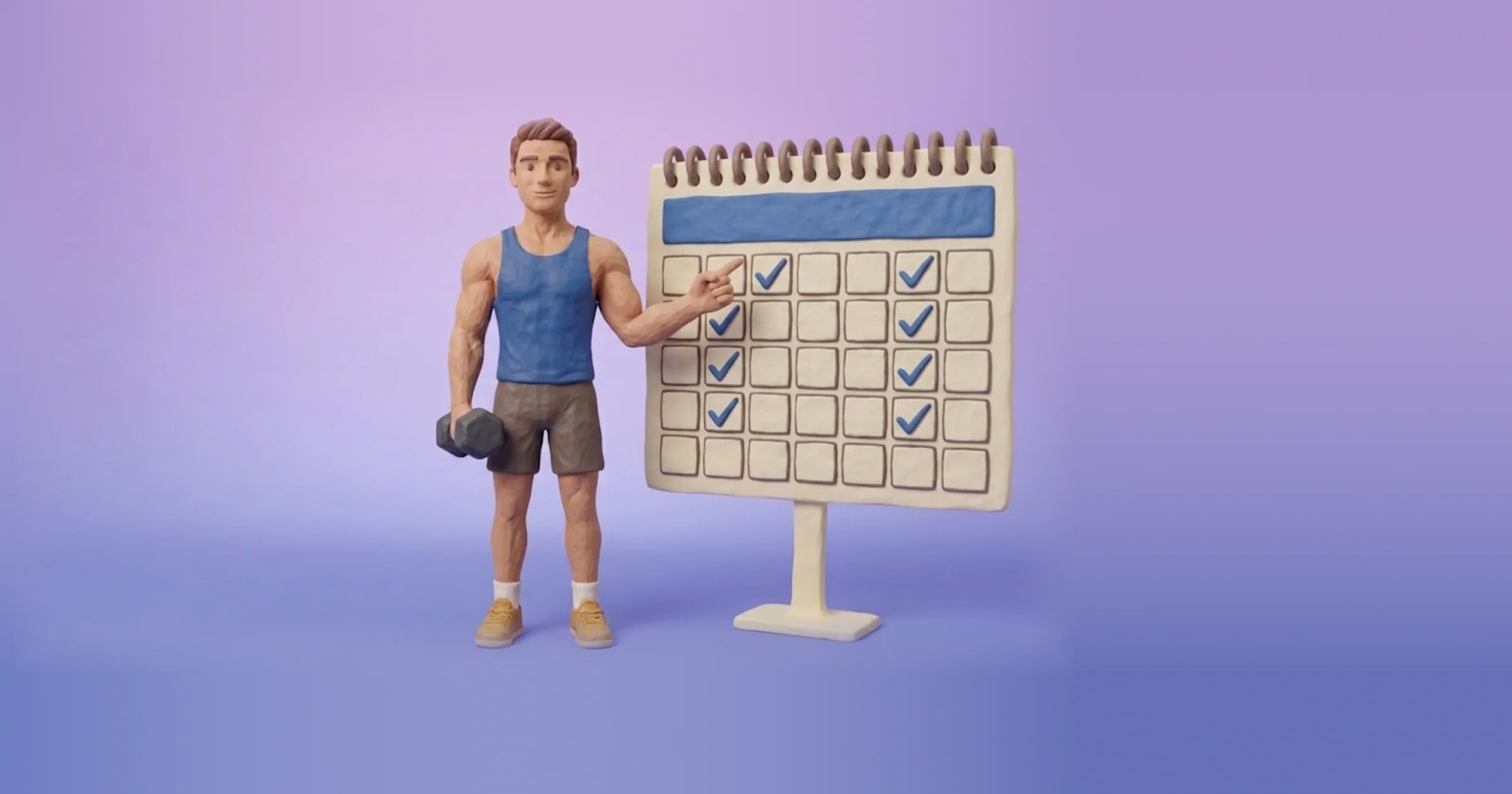
Two is enough to start. Three is better if you can keep it up. Pick the number you will still be doing in March.
5 min read
Programming
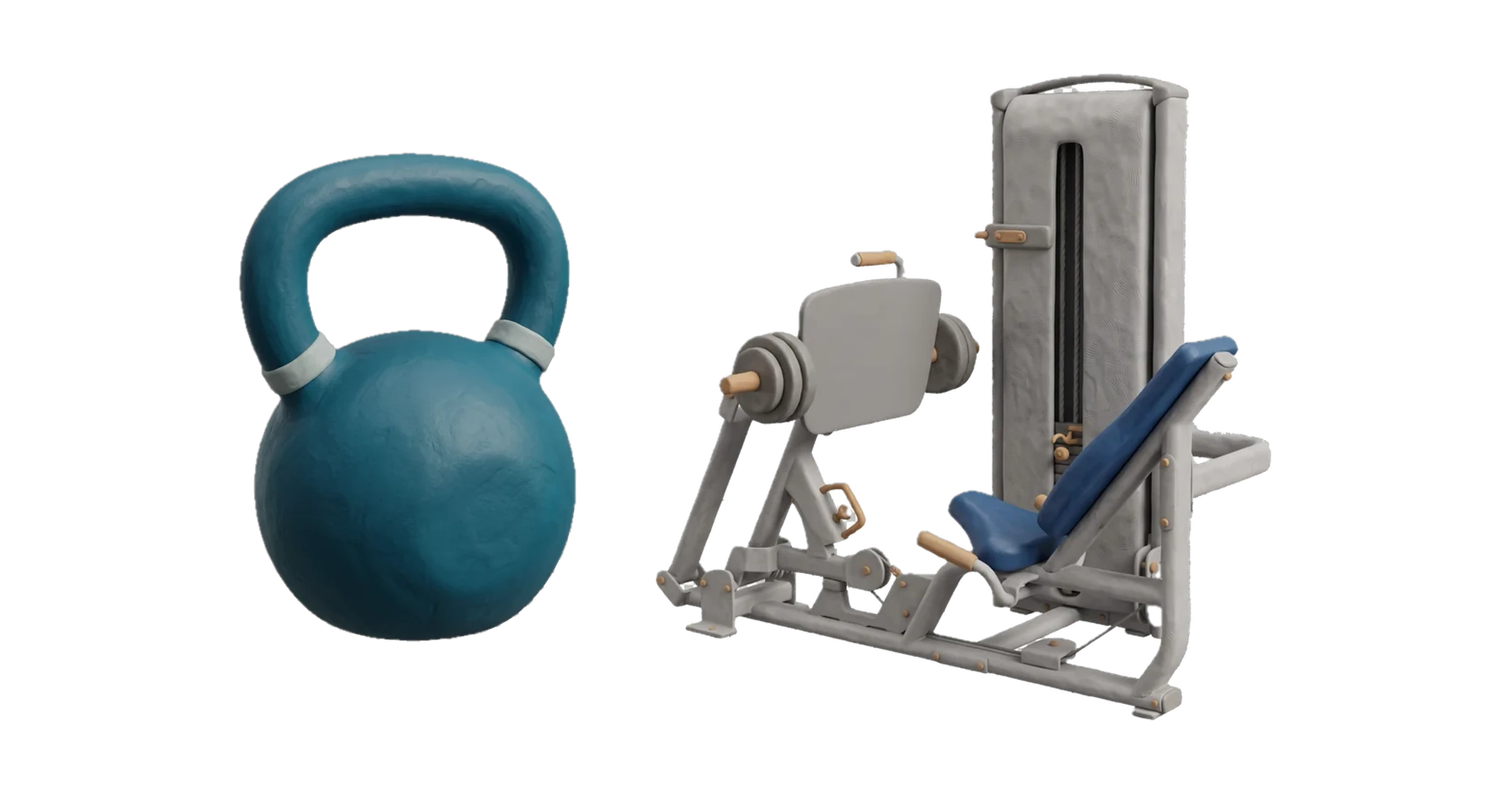
Goblet squats carry you a long way, split squats take over when the dumbbells run out, and the leg press covers the heavy end.
7 min read
Programming
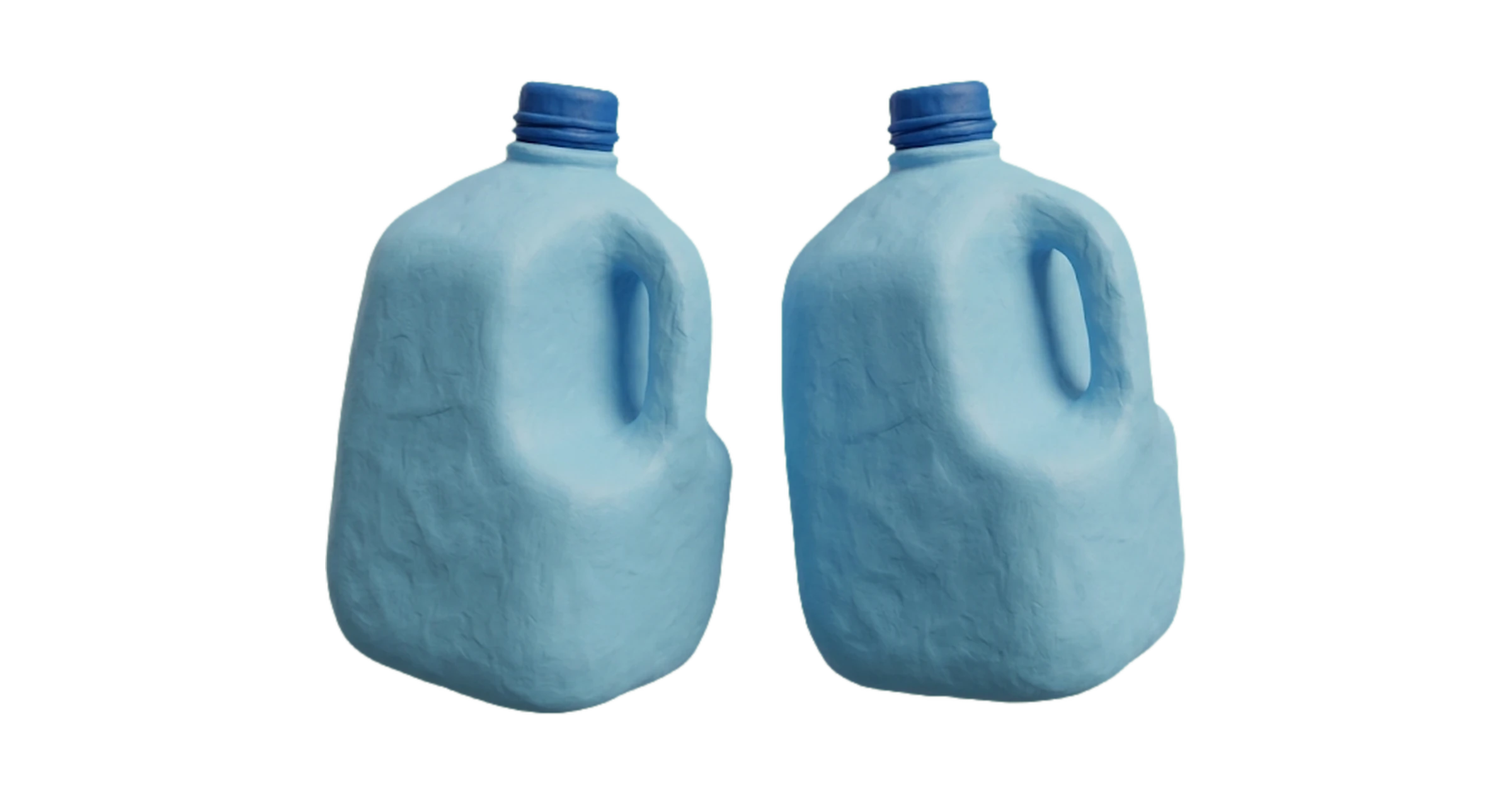
Two heavy things, one in each hand, walk until your grip is about to go. Dumbbells work, and so do water jugs, buckets and a loaded suitcase.
5 min read
When a lift hurts or feels off, the fix is usually a small setup change. These show the change.
Technique
Four stages from zero pull-ups to your first full rep, with the exercises for each one and when to move on.
6 min read
Technique
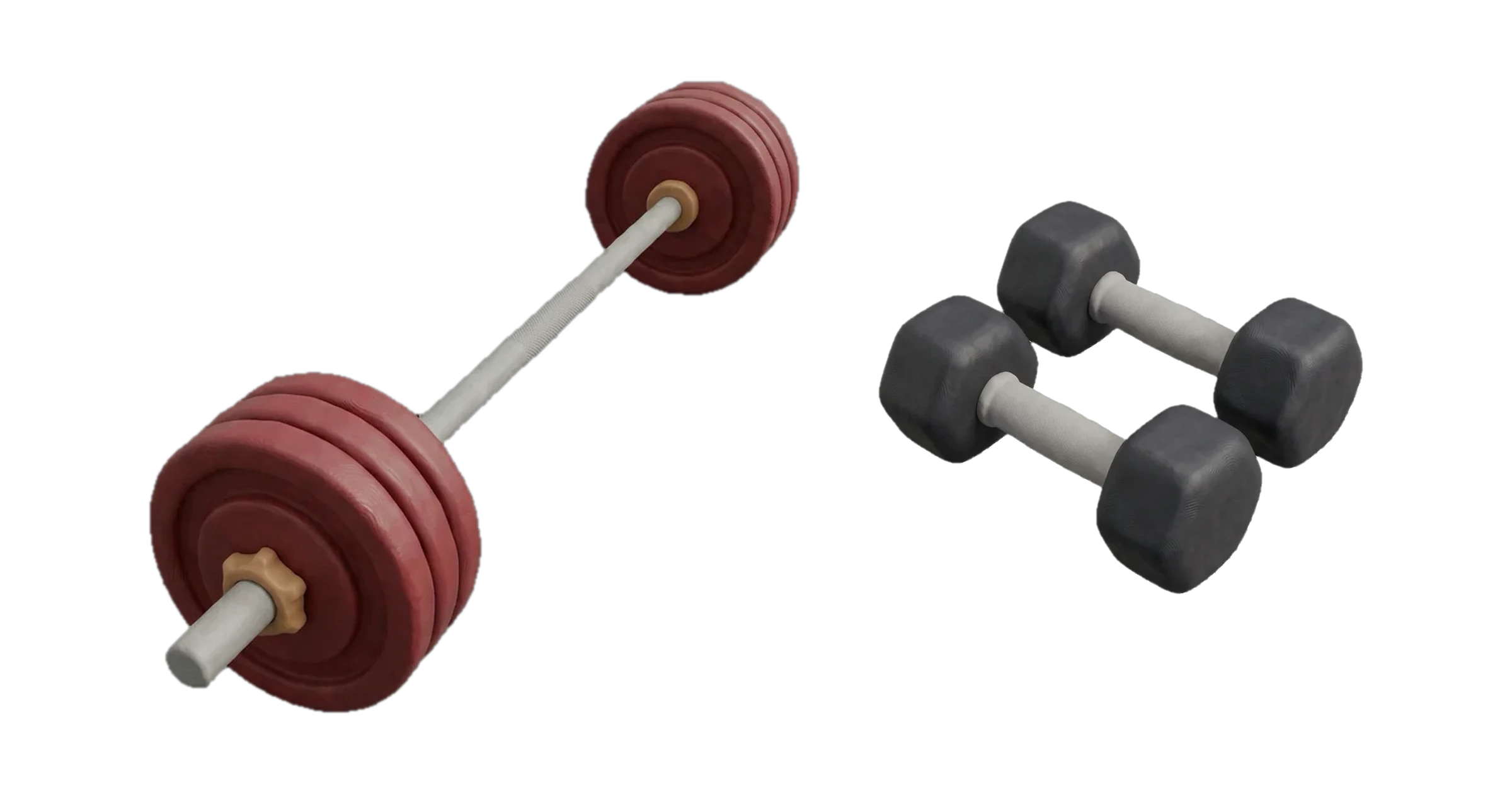
Swap the barbell for incline dumbbells, keep your palms turned in, and stop above the depth that pinches.
6 min read
Technique
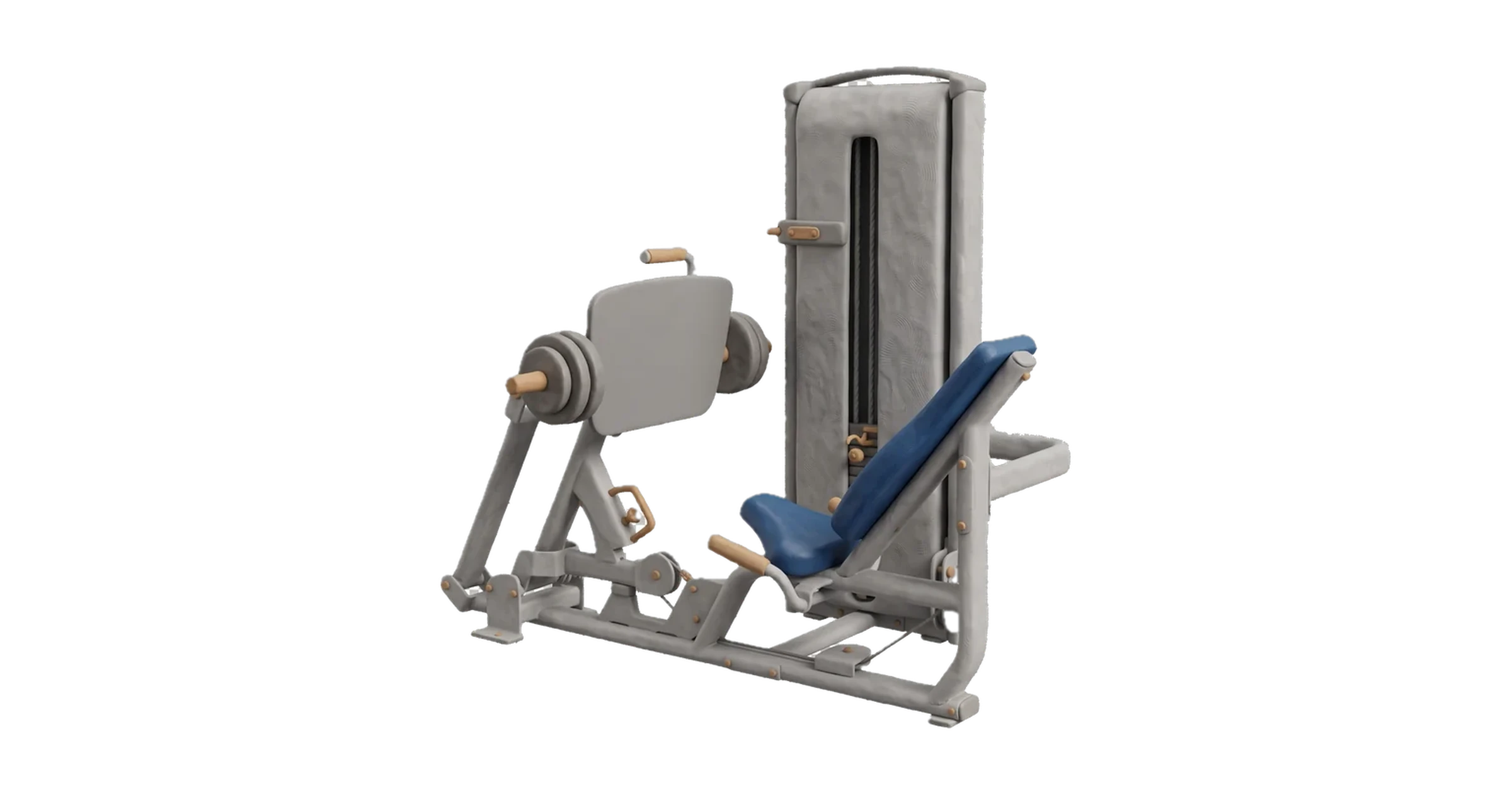
Set the seat so your knees reach about 90 degrees without your lower back lifting, put your feet mid platform at shoulder width, and stop before your hips curl under.
6 min read
Technique
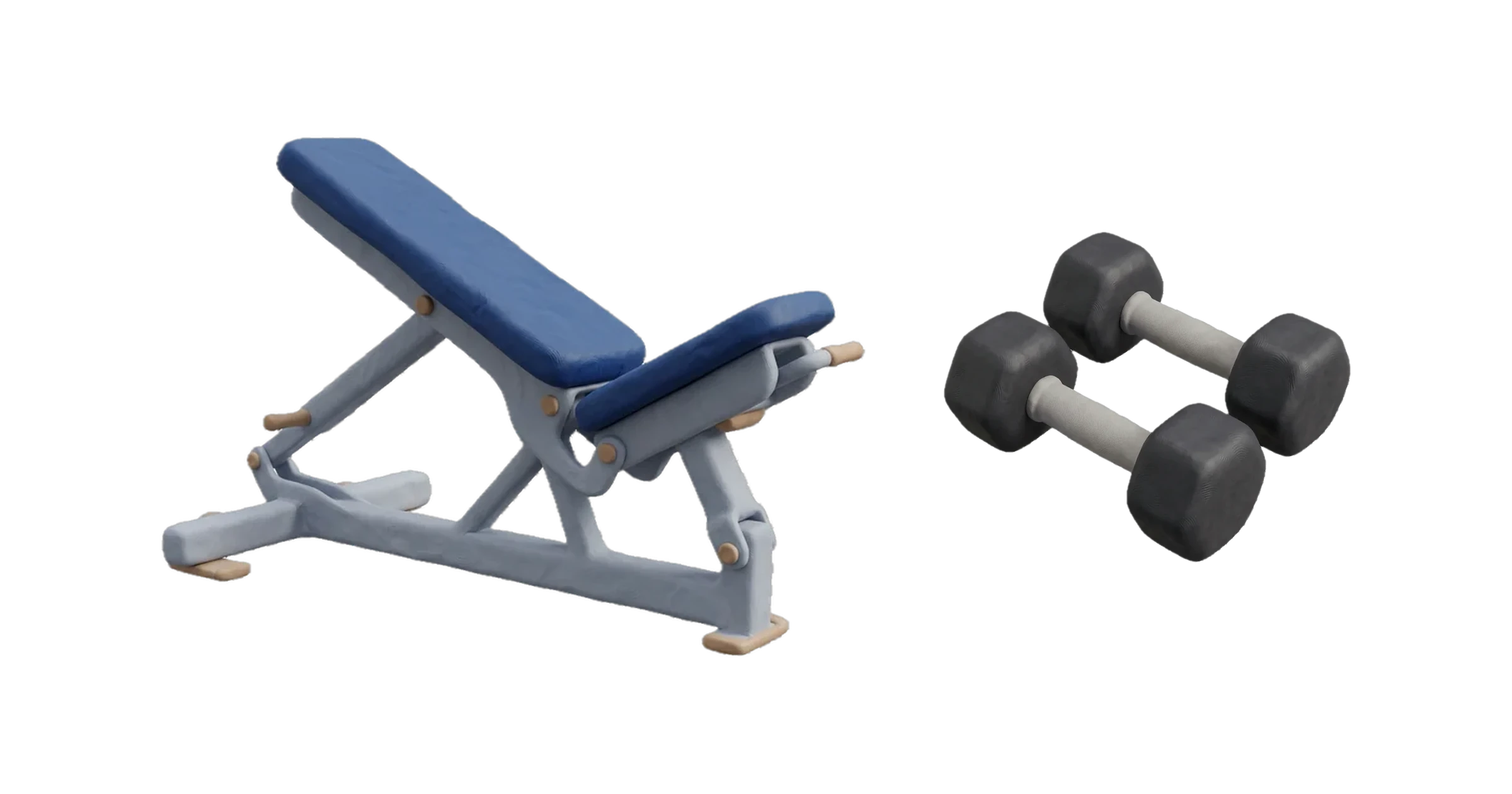
Drop the bench angle to 15 or 30 degrees, turn your palms in, and stop the weights level with your chest instead of below it.
6 min read