
Pull-up alternatives
The lat pulldown is the most common pull-up alternative, since it's the same pull from overhead with a weight you choose. If you're working toward your first pull-up, band-assisted pull-ups and the assisted pull-up machine let you practice the real movement.
What makes the pull-up hard to replace
Pulls from overhead
Your arms start straight above you and pull your chest up to the bar. That path builds your lats more than rows do.
Your own bodyweight
You can't make a pull-up lighter without help, which is why it's hard to start. Swaps let you pick a load and add to it.
Hanging from a bar
Holding yourself up trains your grip and core too. Machines take that part away.
Same bar, easier reps
Slow lowerings
Jump or step up so your chin is over the bar, then lower yourself over three to five seconds. Three sets of three to five reps builds strength fast.
Chin-up grip
Palms facing you, hands about shoulder width. Most people can do more chin-ups than pull-ups.
Dead hangs
Hang from the bar for 20 to 30 seconds. It builds the grip you'll need for full pull-ups.
On a machine or cable
 Lats
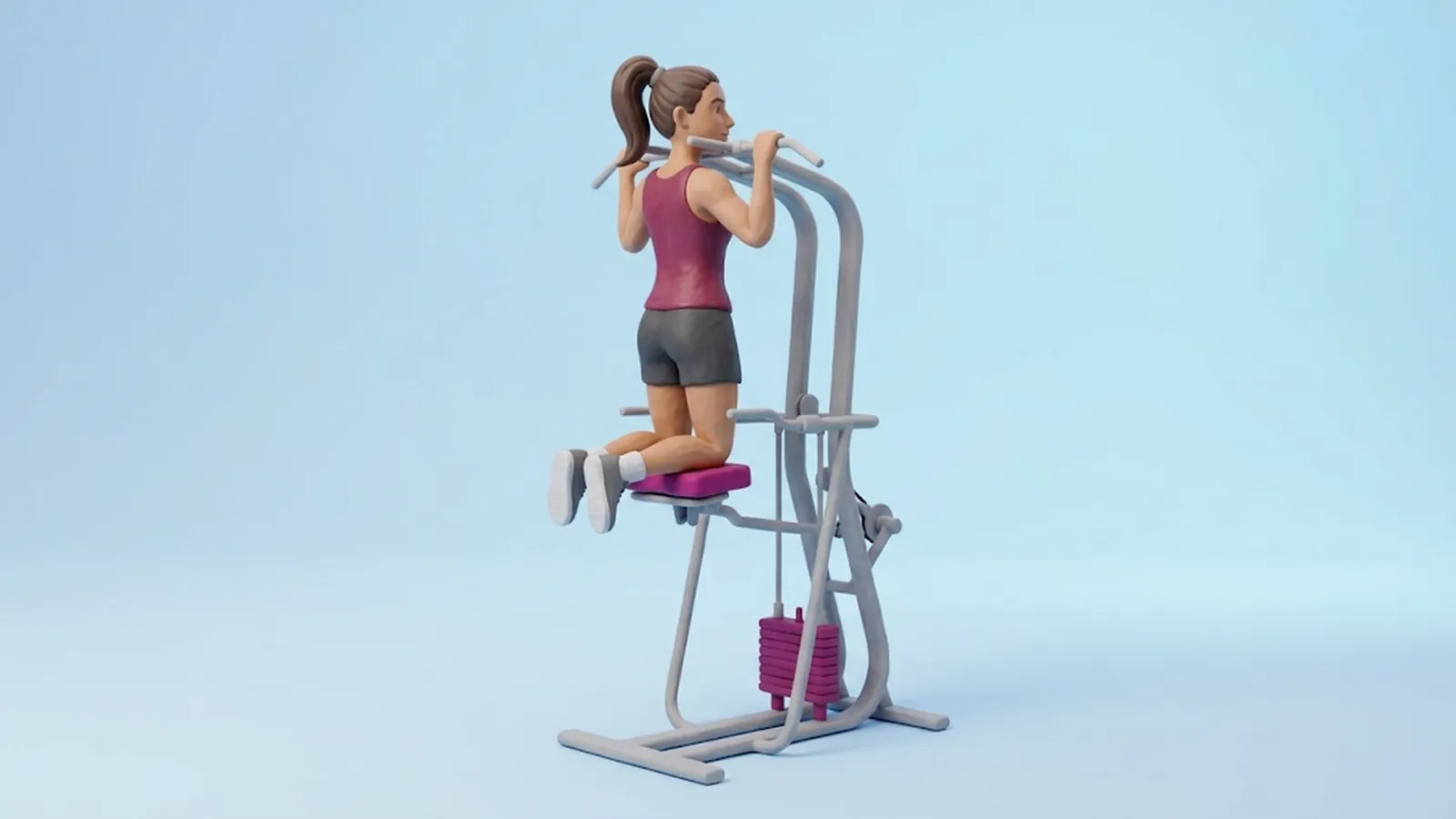
Assisted Pull-Up Machine
Closest match. Your body moves like a real pull-up, and the counterweight takes part of your weight off.
MachineBeginner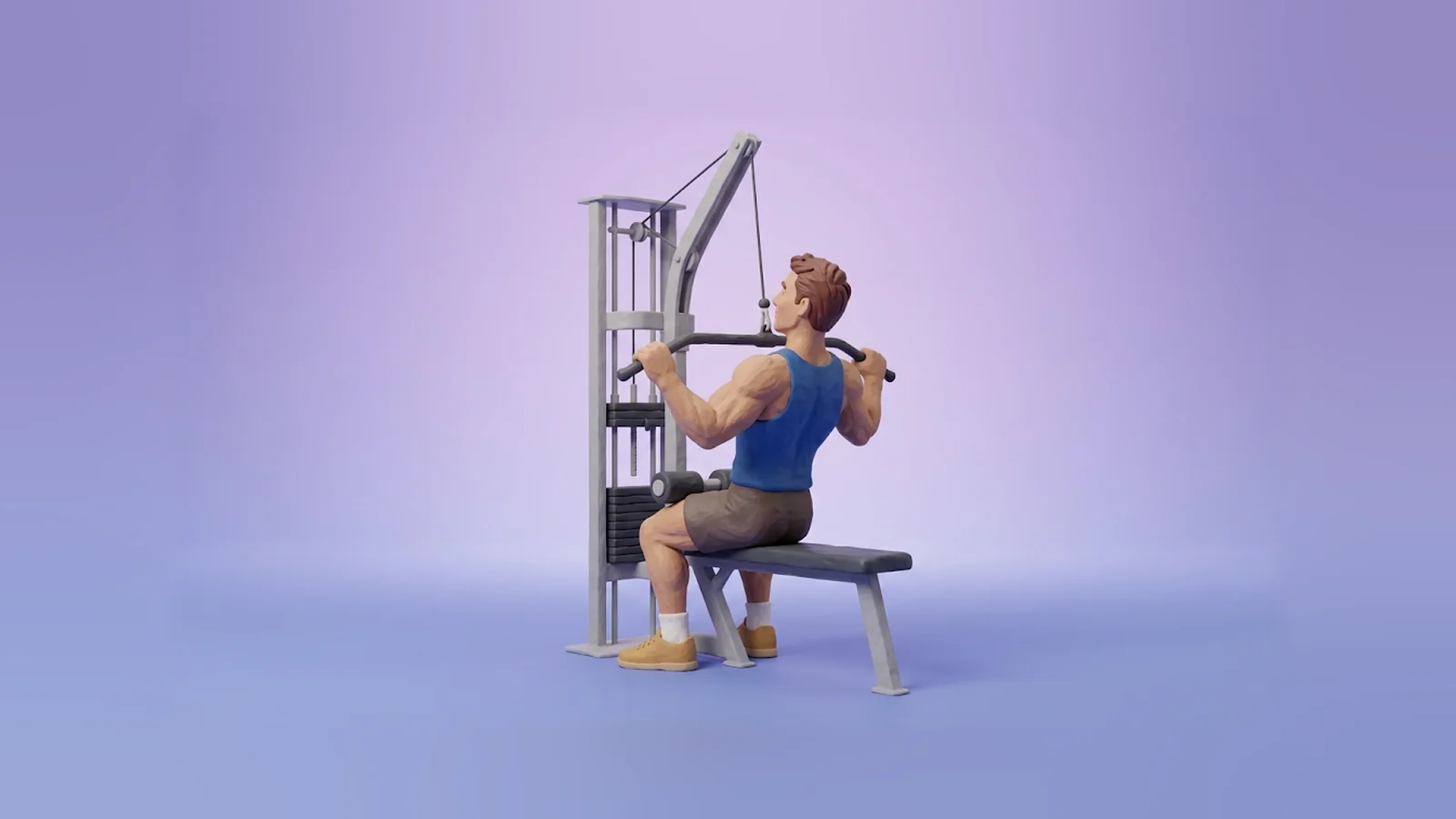 Lats
Wide-Grip Lat Pulldown
The most common swap. Same pull from overhead with any weight you choose.
CableBeginner- Lats
Close-Grip Front Lat Pulldown
A closer grip on the same machine. A good match for chin-ups.
CableBeginner





On a bar
 Lats
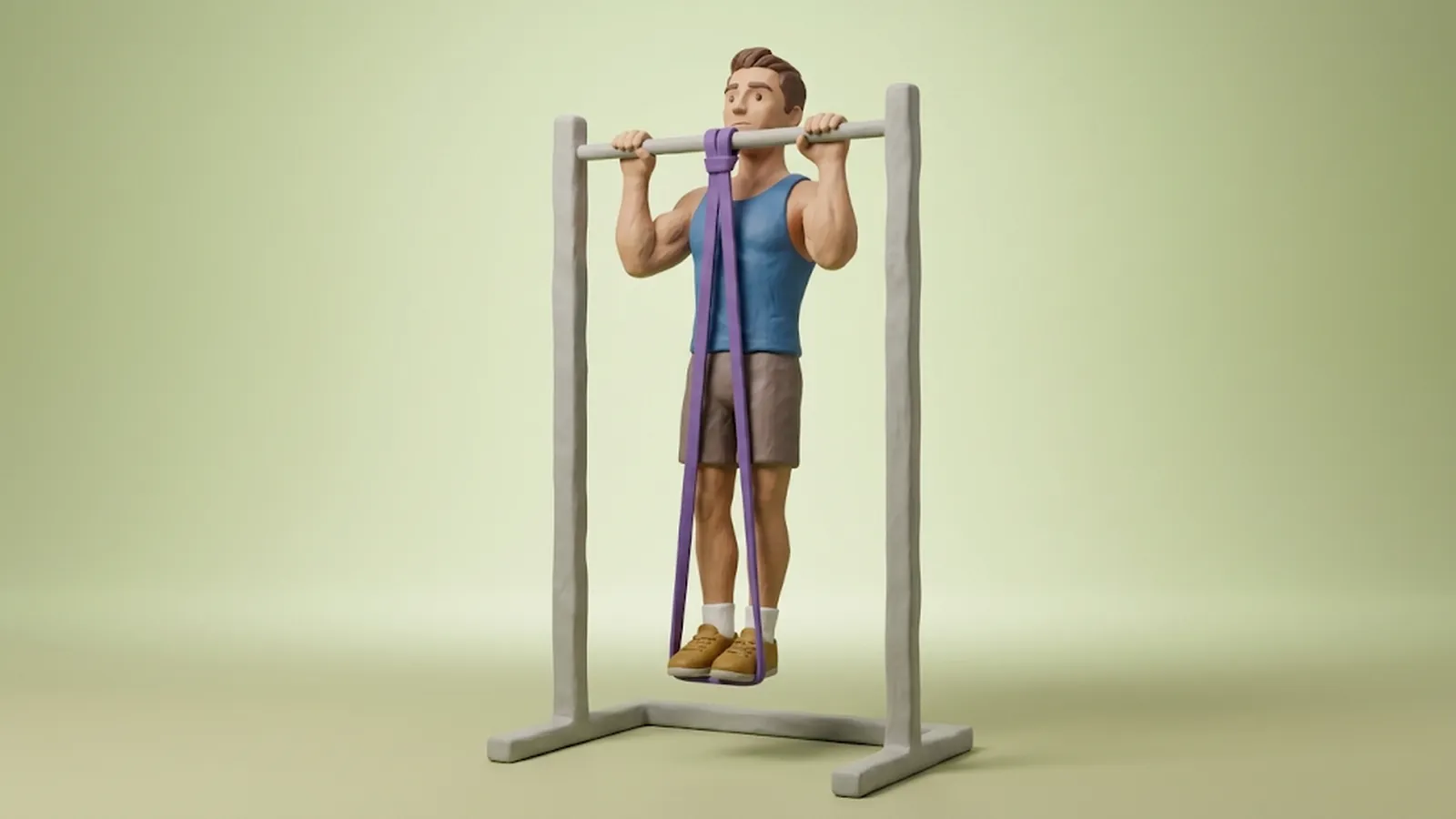
Band Assisted Pull-Up
A band under your knees or feet helps most at the bottom, where you need it.
BandsBeginner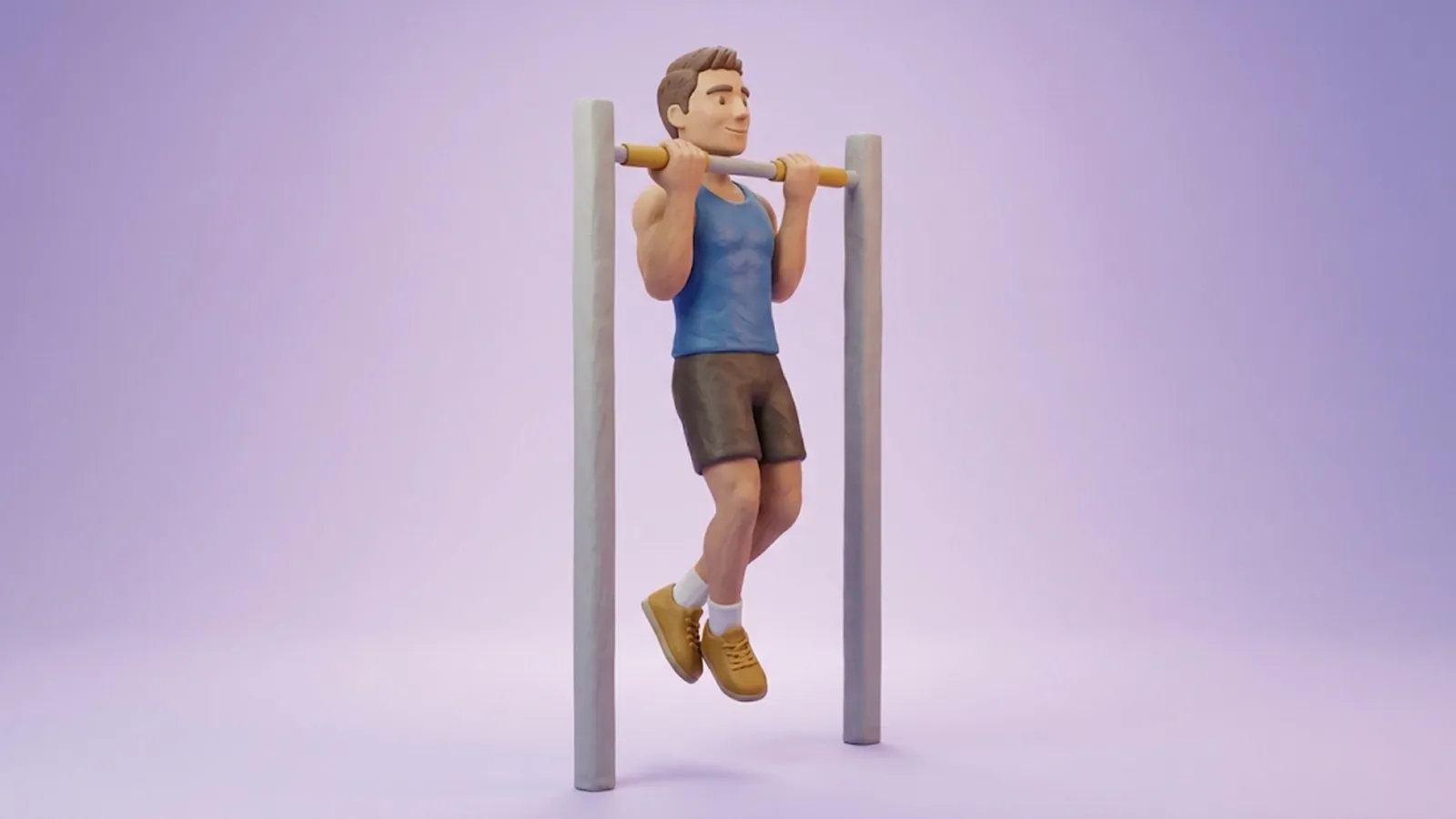 Lats
Chin-Up
Palms facing you. Usually the first bodyweight pull people can do.
BodyweightBeginner- Traps
Scapular Pull-Up
Hang and pull your shoulder blades down without bending your arms. The first part of every pull-up.
BodyweightBeginner


With dumbbells
How the swaps compare
| Exercise | Pulls from overhead | Weight you can set | Hanging from a bar |
|---|---|---|---|
| Assisted Pull-Up Machine | Yes | Yes | No |
| Wide-Grip Lat Pulldown | Yes | Yes | No |
| Band Assisted Pull-Up | Yes | Partly | Yes |
| Chin-Up | Yes | No | Yes |
| Scapular Pull-Up | Partly | No | Yes |
How much weight to use
On the lat pulldown, start with about half your bodyweight and adjust so you can do 8 to 12 reps. Once you can pull close to your bodyweight for a few reps, try a real pull-up.
On the assisted machine, more counterweight makes it easier. Start with enough for eight clean reps and take a plate off every week or two.
How to pick
- You can't do a pull-up yet
- Band-assisted pull-ups and slow lowerings, two or three times a week.
- You can do a few
- Do your pull-ups first, then finish with lat pulldowns for more reps.
- There's no bar
- Lat pulldowns in the gym, or dumbbell rows at home.
- Your grip gives out first
- Add dead hangs at the end of your workout, or use straps on the pulldown.
Pull-up alternatives FAQ
What is the best alternative to pull-ups?
The lat pulldown, since you can set the weight. To work toward your first pull-up, use band-assisted pull-ups or the assisted machine, since your body moves the same way.
Are lat pulldowns as good as pull-ups?
They train the same muscles. Pulldowns let you set the weight, so they're easier to start with. Pull-ups add grip and core work.
How long does it take to do your first pull-up?
It varies a lot. Many beginners who practice two or three times a week get their first rep within a few months.
Can I do pull-ups at home?
With a doorway pull-up bar, yes. Without one, inverted rows under a sturdy table and dumbbell rows are the closest swaps at home.